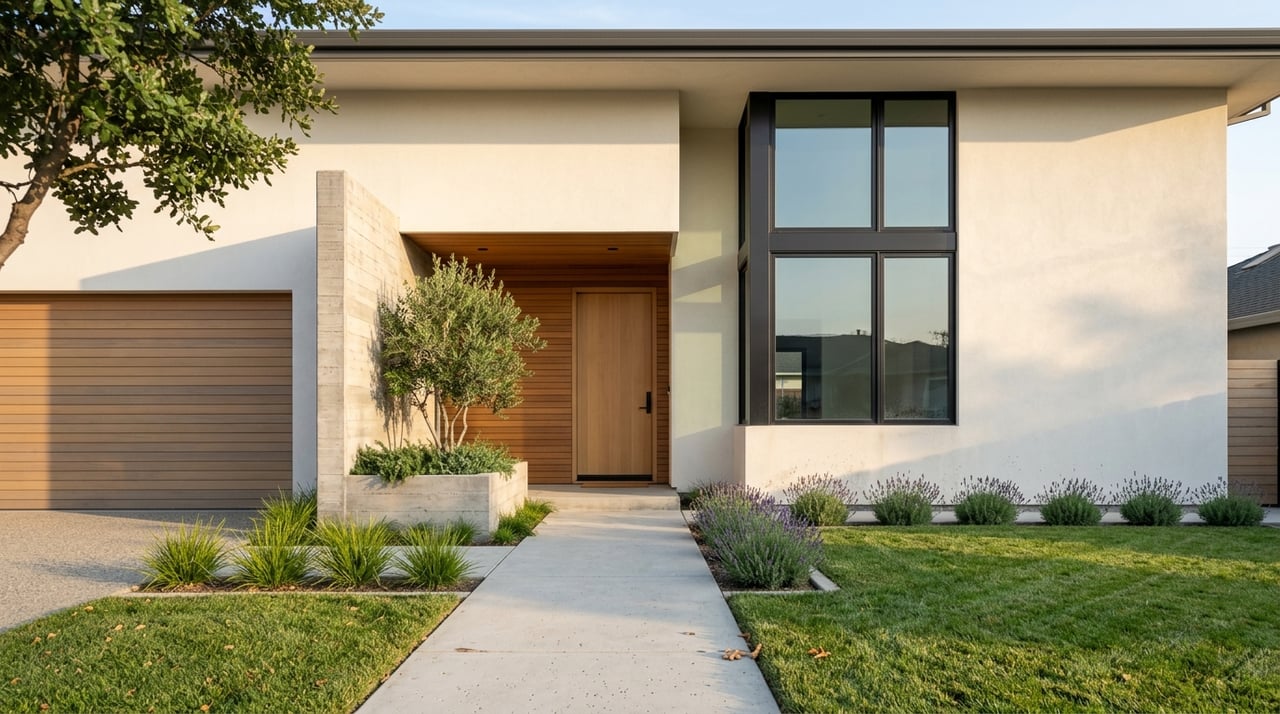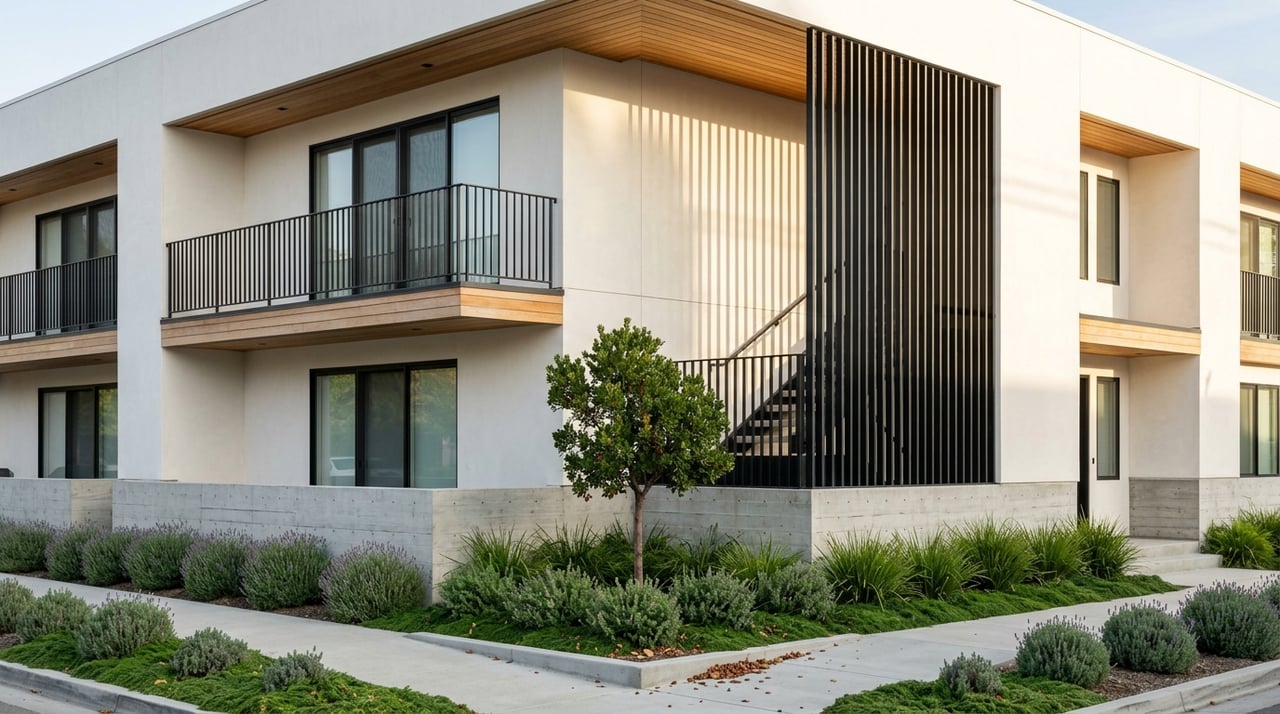
If you are weighing a Livermore investment, the biggest question may be simpler than it looks: do you want easier resale potential, or stronger income density? In a market where home values are high, rents are solid, and competition can move quickly, that choice matters. The right answer depends on your budget, financing path, management style, and long-term plan. Let’s break down how single-family homes and small multi-unit properties compare in Livermore.
Livermore investment snapshot
Livermore remains a high-value, high-rent market by local and regional standards. As of May 2026, Zillow reports an average home value of about $1,122,823, with homes going pending in around 14 days and average asking rent at $2,779. The Census Bureau also estimates Livermore median gross rent at $2,677 and the median value of owner-occupied homes at $1,105,600.
That combination creates a familiar Bay Area pattern. Purchase prices are high relative to rent, which means many deals require careful underwriting and realistic expectations. In Livermore, the decision between a single-family rental and a duplex, triplex, or fourplex is often less about which asset is universally better and more about which asset better fits your strategy.
Why single-family homes appeal
Single-family homes are often the more intuitive entry point for buyers and investors. They are the dominant residential asset class in Alameda County, where single-family residential parcels make up 81.81 percent of the parcel base, according to the Alameda County Assessor's 2025-26 annual report. That broad presence tends to support a larger buyer pool and a more familiar resale process.
In Livermore, that matters because liquidity is a real advantage. Zillow shows homes going pending in about 14 days, with a median sale-to-list ratio of 0.994. For you, that can mean a clearer exit path if your plan may change in a few years.
SFR strengths in Livermore
A single-family property can be attractive when you want flexibility and a broader range of exit options. It may appeal to future owner-occupants as well as investors, which is different from a property that is valued mainly on income.
Key advantages often include:
- Broader resale audience
- Familiar valuation based on nearby comparable sales
- Potentially simpler day-to-day management with one household instead of several
- Strong rental demand for larger homes in the 3-bedroom and 4-bedroom range
- Possible ADU or garage-conversion upside on the right lot
Zillow's rental data helps explain the appeal of larger homes. Approximate average asking rents are $3,650 for 3-bedroom homes and $4,250 for 4-bedroom homes in Livermore. If you are targeting a rental house, those larger layouts often compete in a stronger rent band than smaller homes.
The tradeoff with single-family rentals
The main challenge is yield. ATTOM's Q1 2025 single-family rental report projected a 3.8 percent annual gross rental yield for Alameda County on three-bedroom homes. Since that figure is gross rent divided by median sales price, it is not a net cap rate, but it still shows the pressure that high pricing can place on income returns.
In plain terms, a Livermore single-family rental may not shine if you are focused on immediate cash flow. It can work better for buyers who value long-term appreciation potential, principal paydown, and retail resale flexibility. If your goal is strong monthly income from day one, you may find the math tighter than expected.
Why small multi-unit properties appeal
Small multi-unit properties usually mean duplexes, triplexes, and fourplexes. These properties tend to attract buyers who think first about income, not just resale appeal. In Livermore and the wider East Bay, they can offer more income density on a single lot than a single-family house.
They also open up a different path for owner-occupants. HUD notes that FHA financing can be available on 1-4 unit properties with down payments as low as 3.5 percent, and Freddie Mac's 2-4 unit program is designed for owner-occupied primary residences. Freddie Mac also notes that rental income from the other units can be counted in debt-to-income analysis.
Small multi-unit strengths in Livermore
For many buyers, the biggest advantage is that a small multi-unit can behave more like an income asset. If you live in one unit and rent the others, you may reduce your own housing cost while building long-term equity.
Benefits can include:
- Multiple income streams from one property
- Owner-occupied financing pathways for 2-4 unit properties
- Ability to use rental income from other units in loan qualification, where allowed by program guidelines
- More income-focused underwriting than a typical single-family home
- Better fit for buyers pursuing house hacking or owner-operator strategies
Public East Bay multifamily data offers a useful benchmark. Lee & Associates reported a 4.9 percent cap rate in Q3 2025 for East Bay multifamily, while Alameda County vacancy was reported at 6.6 percent by Cushman & Wakefield and 5.1 percent in Lee's East Bay report. These reports mainly reflect larger apartment properties, not every duplex or triplex, but they still point to a market where multifamily is generally analyzed through income and operating performance.
The tradeoff with small multi-unit
A small multi-unit usually requires more active oversight. You may be dealing with multiple leases, more tenant coordination, and more detailed compliance review. The property's value can also be more sensitive to net operating income, vacancy, and cap-rate movement than a typical single-family home.
That means your underwriting needs to be disciplined. Conservative assumptions for turnover, vacancy, repairs, and leasing time matter, especially in a market where regional vacancy is no longer ultra-low. A good-looking rent roll on paper is not enough if the operating details are weak.
Rent rules matter more for multi-unit
This is one of the biggest practical differences between the two paths in California. The California Attorney General and Department of Real Estate note that the state's Tenant Protection Act generally caps annual rent increases for most covered residential units at 5 percent plus CPI, or 10 percent, whichever is lower, after 12 months of occupancy, and adds just-cause protections once coverage applies.
Important exemptions also exist. Many single-family homes and condominiums may be exempt if the required written notice is given, and a duplex where the owner occupies one unit may also be exempt. By contrast, buildings with two or more units are more likely to fall into the statewide rent-cap and just-cause framework once they are old enough and not otherwise exempt.
For you, that means compliance review is not optional. Before buying a duplex, triplex, or fourplex, you want to understand how rent rules may affect future increases, turnover planning, and renovation timing. This is one reason small multi-unit investing rewards buyers who are comfortable with detail.
ADU upside can favor single-family properties
If your strategy includes value-add potential, single-family homes may deserve a closer look. California HCD describes ADUs as secondary dwelling units that can be detached, attached, or created by converting existing space. For the right property, that can create a path to add legal rental income without buying a larger building.
Lot layout matters here. A usable garage, side yard, or backyard configuration may create more flexibility for future planning. Also note that the California Energy Commission says permits filed on or after January 1, 2026 must comply with the 2025 Energy Code, so renovation planning should reflect current standards.
This is where hands-on advisory can make a real difference. A property that looks average on day one may have stronger upside if the layout supports a smart improvement plan. Not every lot will qualify, but the right single-family property can offer an appealing mix of retail resale, rental use, and future ADU potential.
How to choose the right fit
The best asset often comes down to your priorities. If you want simpler management, broader resale appeal, and the option to target future owner-occupant buyers, a single-family home may fit better. If you care more about income density and are comfortable with more moving parts, a small multi-unit may make more sense.
Here is a simple framework:
Choose a single-family home if you want
- A broader buyer pool at resale
- More familiar pricing based on comparable sales
- Exposure to the 3-bedroom or 4-bedroom rental market
- Potential ADU or garage-conversion upside
- A property that may feel easier to manage day to day
Choose a duplex, triplex, or fourplex if you want
- More than one income stream
- Owner-occupied financing options in the 2-4 unit range
- A house-hacking or owner-operator path
- A property analyzed more directly on income performance
- Higher tolerance for regulation, leasing, and operational complexity
A Livermore-specific bottom line
In Livermore, single-family homes tend to be lower-yield but more liquid. Small multi-unit properties tend to be more income-oriented, but they usually require sharper underwriting and more attention to compliance. Neither path is automatically better.
The smarter move is to match the asset to your real plan. If your priority is flexibility and a cleaner resale story, single-family may win. If your priority is income, financing leverage through an owner-occupied 2-4 unit purchase, or a value-add operating strategy, small multi-unit may be the stronger fit.
In a market with home values above $1.1 million and rents that still require careful math, the margin for error can be thin. That is why property selection, renovation planning, and exit strategy should all be part of the conversation before you write an offer.
If you are comparing investment options in Livermore, CCPCA Realty can help you evaluate single-family, small multi-unit, and value-add opportunities with a practical, hands-on approach.
FAQs
Is a single-family rental or duplex better in Livermore?
- A single-family rental may offer easier resale and simpler management, while a duplex may offer stronger income density and owner-occupied financing advantages if you plan to live in one unit.
What are average rents for Livermore rental properties?
- Zillow reports average asking rents of about $2,318 for studios and 1-bedroom units, $2,700 for 2-bedroom units, $3,650 for 3-bedroom homes, and $4,250 for 4-bedroom homes as of May 2026.
Can you buy a 2-4 unit property with low down payment financing?
- HUD states that FHA loans can be available on 1-4 unit properties with down payments as low as 3.5 percent, and Freddie Mac offers programs for owner-occupied 2-4 unit primary residences.
Do California rent rules affect Livermore multi-unit properties?
- Yes. The California Tenant Protection Act can apply to many covered residential units, and small multi-unit properties are more likely than some single-family homes to fall under statewide rent-cap and just-cause rules, depending on the property and any applicable exemptions.
Why do investors look at ADUs on Livermore single-family homes?
- ADUs can create an additional legal dwelling unit on the right property, which may improve rental income potential without requiring the purchase of a larger multi-unit building.