Choosing between a brand-new home and a late-model resale in Dublin Ranch can feel like a fork in the road. You might love the idea of fresh finishes and builder warranties, but you also see attractive resale options with mature yards and lower monthly costs. The good news is that you can make a confident choice once you break the decision into price, carrying costs, home features, and commute.
This guide gives you a clear, local comparison for Dublin Ranch and nearby new-build communities. You will learn what to expect on pricing, HOA dues, Mello-Roos, energy features like solar, and practical commute tips. Let’s dive in.
Dublin Ranch at a glance
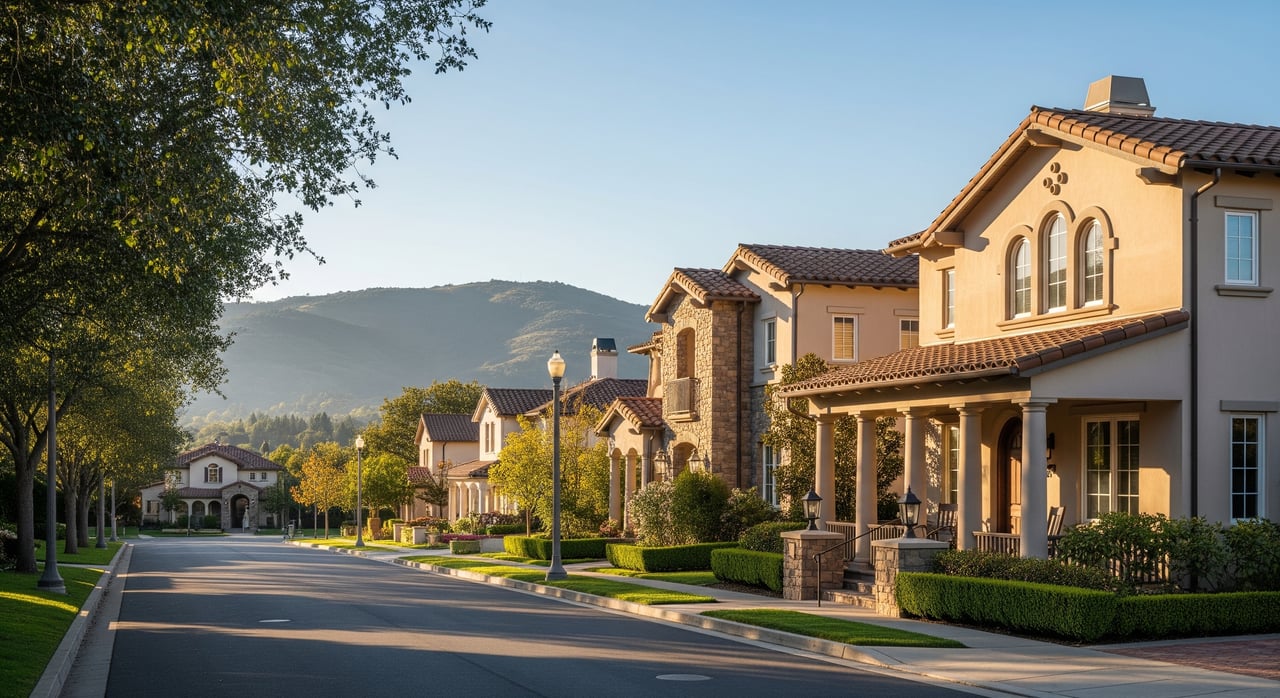
Dublin Ranch is a large master-planned area in East Dublin with villages, community amenities, and a golf course. Many original homes were built in the early 2000s through the 2010s. Nearby, newer master-planned neighborhoods like Francis Ranch, Jordan Ranch, and East Ranch are actively selling new construction in the 2020s.
In this article, “new construction” means homes sold by builders in current master plans, often with model-home lineups and builder warranties. “Late-model resale” means previously owned homes built in roughly the last 5 to 20 years, which describes a large share of Dublin Ranch inventory.
Price reality check
Home values in Dublin vary by product type, lot, and location. Neighborhood-level snapshots show wide spreads because different sources track different boundaries and mixes of condos, townhomes, and single-family homes. In recent snapshots, neighborhood medians ranged from about 719,000 to roughly 875,000, while a citywide typical value for Dublin has been around 1.26 million. Use parcel-level comps for any serious comparison.
New construction pricing now
Recent builder examples in Dublin show sizable spreads. At Francis Ranch, Trumark’s Orchid collection of luxury single-family homes lists starting prices in the mid 2.8 million range for plans around 4,300 to 4,800 square feet, according to the Orchid community overview on New Homes Magazine. You can review the collection details on the Orchid page for context on scale and features in this market segment. See the latest community snapshot on the Orchid at Francis Ranch page on New Homes Magazine: Orchid at Francis Ranch overview.
Other collections in the area, such as Marigold and townhome lines like Jasmine, have shown starting prices from roughly the low 1.2 million to 1.8 million plus depending on the plan and lot. Exact pricing will change with availability, lot premiums, and upgrades.
Late-model resale range
Late-model Dublin Ranch resales cover a broad range. You will find everything from lower-priced townhomes and condos to multi-million dollar golf-course homes. Some single-family resales have traded below 1 million, while premium lots and larger homes can reach multi-million price points. Lot size, views, and upgrades are the main drivers of this spread.
Compare apples to apples
New construction often starts above many entry-level resale options, sometimes by several hundred thousand dollars for single-family homes. When you compare, look beyond list price. Add recurring costs like HOA dues and any Mello-Roos special taxes, and include likely upgrades or post-close improvements. Small differences in fees or lot premiums can shift the true monthly number.
Monthly costs beyond the mortgage
Even similar-priced homes can carry very different monthly costs. Focus on HOA dues and Mello-Roos when you run numbers.
HOA dues in Dublin Ranch
Many Dublin Ranch communities have HOAs that cover common-area landscaping, pools or clubhouses, fitness centers, and other shared amenities. Monthly dues in local examples range roughly from 79 dollars up to 625 dollars, with the low end tied to small sub-associations and the high end tied to larger condo or townhome communities with more amenities. Always read the HOA budget, reserve study, and CC&Rs to confirm coverage and any planned assessments.
Mello-Roos basics
Parts of Dublin Ranch and nearby master-planned areas include Community Facilities District special taxes, often called Mello-Roos. These fund infrastructure like roads, parks, and schools under the Mello-Roos Community Facilities Act. For background on how CFDs work, see the City of Vacaville’s overview of Community Facilities Districts.
Lenders treat Mello-Roos like property tax for qualification. In many Bay Area master plans, annual CFD levies commonly range from about 1,000 to 5,000 dollars or more, depending on the district and product type. The exact number is parcel specific. Verify the parcel’s APN, the latest Alameda County secured tax bill, and the district’s Rate and Method of Apportionment to confirm the current levy and any annual escalators.
Floorplans, lots, and living experience
What new builds offer
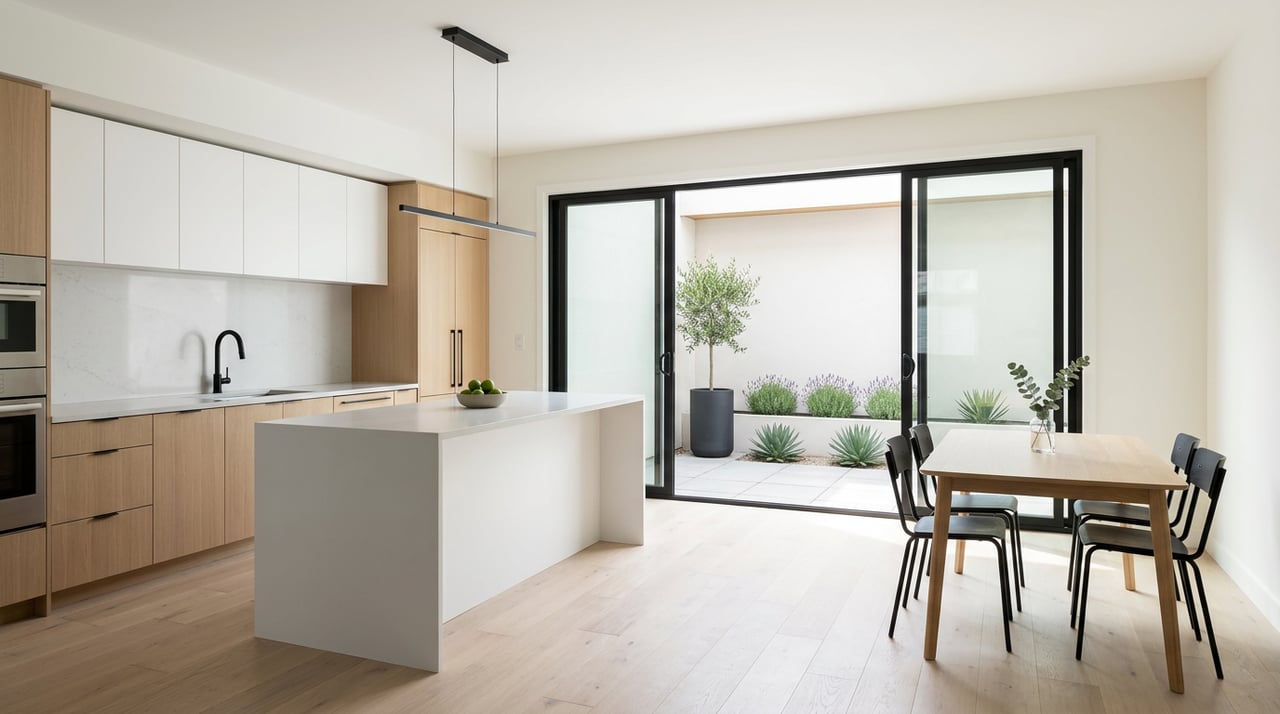
Today’s Dublin builders focus on open great rooms, large kitchen islands, indoor and outdoor flow, flex bedrooms or office suites on the first floor, upstairs laundry, and bonus spaces like lofts. Higher-end models, such as the Orchid plans at Francis Ranch, deliver larger footprints with multiple en-suite bedrooms and luxury options. Townhomes and duet homes are designed for lower yard maintenance, with vertical layouts and attached garages.
What late-model resales offer
Late-model Dublin Ranch homes include a wide variety of sizes and lots, from smaller patio homes around 1,500 square feet to 4,000 plus square foot homes on or near the golf course. Many early 2000s products offer more lot-size variety, which can mean usable yards, mature landscaping, and customized upgrades added by previous owners. If outdoor space and established plantings matter to you, late-model resale often has an edge.
Energy efficiency and solar
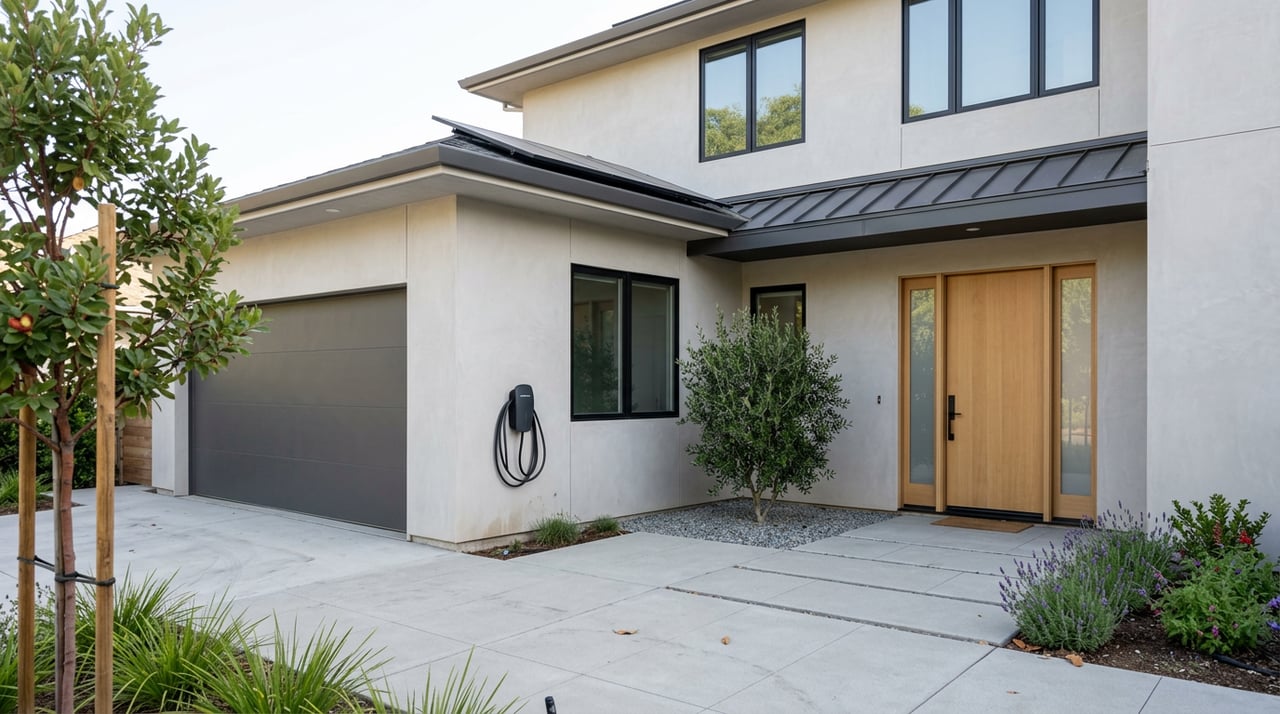
California’s energy code requires photovoltaic systems on most new single-family and low-rise residential buildings. That means most new homes in Dublin include solar to meet Title 24 requirements. Learn more about the standards at the California Energy Commission’s Energy Code Support Center.
For new builds, confirm the system size, whether the solar is owned or a PPA, and whether battery storage is included or available. Some late-model resales already have seller-installed solar; verify ownership and any transferable warranties. If a resale does not have solar, ask your lender and solar provider to estimate the cost and impact on your monthly utility bills so you can compare total operating costs to a new home.
Commute and location trade-offs
Dublin Ranch offers quick access to I-580 and convenient proximity to I-680. That helps with Tri-Valley commutes by car, though peak hours can still be congested, especially for cross-bay trips.
For transit, the Dublin/Pleasanton BART station is your regional rail link. A typical BART trip to downtown San Francisco’s Embarcadero station is often quoted around 46 minutes, depending on schedules and line routing. For a general sense of time, see this example of Dublin/Pleasanton to Embarcadero by train and always confirm with the official BART planner and service updates.
If you commute to parts of Oakland, door-to-door public transit from eastern Dublin locations can run about 70 to 90 minutes with feeder buses plus BART, depending on transfers and timing. Sample itineraries like this Moovit trip example to Oakland are a helpful starting point. Test your specific route at your typical departure times before you choose a neighborhood.
How to choose: a simple checklist
Use this quick process to compare a new build to a late-model resale, address by address:
- Confirm the parcel details. Get the APN and the latest Alameda County secured tax bill. Look for any Mello-Roos line and request the district’s RMA to verify how the levy is calculated and whether it escalates.
- Review HOA documents. Read the budget, reserve study, CC&Rs, and recent meeting minutes to see what dues cover and whether special assessments are planned.
- For new construction, separate base price and options. Ask for the included features, upgrade price sheets, appliance lists, solar system size, EV rough-in details, and warranty coverage.
- For resales, confirm improvements and system condition. Request a list of permitted upgrades, recent inspections, solar ownership and warranties if present, and the status of major systems like roof and HVAC.
- Model total cost of ownership. Add mortgage principal and interest, base property tax, Mello-Roos, HOA dues, homeowner’s insurance, and typical utilities. Use lender pre-approval figures that include the actual HOA and any special taxes.
- Consider resale liquidity. Higher recurring costs or very specific product types can narrow the future buyer pool. Think about your 3 to 5-year exit scenario.
Which path fits your goals?
Choose new construction if you want current design trends, builder warranties, and code-level energy features with solar included, and you are comfortable with higher starting prices and possible HOA and Mello-Roos levels. This path can reduce near-term maintenance and deliver easy move-in.
Choose a late-model resale if you prioritize lower entry price points, larger or more varied yard options, established landscaping, and the ability to select your own updates over time. This can be a smart value play if you are willing to handle some maintenance or targeted upgrades.
If you are torn, put your top three priorities on paper. For many buyers, the answer becomes clear once you compare total monthly cost, commute time, and how the floorplan fits your daily life.
Have questions about specific addresses or builder contracts? Our team can model your total cost side by side and flag hidden fees before you write an offer. If you want to see both options in one tour, we are happy to map a route that compares like-for-like homes the same day.
Ready to find your fit in Dublin Ranch? Connect with CCPCA Realty for a data-driven consultation and a tour plan tailored to your budget and goals.
FAQs
What is the main cost difference between new and resale in Dublin Ranch?
- New construction often starts higher than many entry-level resales, sometimes by several hundred thousand dollars for single-family homes. Add HOA dues, Mello-Roos, and builder options to see the true comparison.
How much are typical HOA dues and Mello-Roos in the area?
- Local examples show HOA dues ranging roughly 79 to 625 dollars per month, and many Bay Area CFD levies commonly fall in the 1,000 to 5,000 dollars per year range. Always verify parcel-specific numbers on the latest tax bill.
Do new homes in Dublin include solar under California’s energy code?
- Most new single-family and low-rise residential buildings must meet Title 24 photovoltaic requirements, so builders typically include solar or deliver solar-ready setups. Confirm system size and ownership.
How long is the BART ride from Dublin/Pleasanton to downtown San Francisco?
- A commonly cited estimate is about 46 minutes to Embarcadero, depending on timing and routing. Always confirm with the official BART planner for current schedules.
How should I compare total monthly costs between two homes?
- Build a simple worksheet that adds mortgage principal and interest, base property tax, any Mello-Roos, HOA dues, insurance, and utilities. Use real numbers from the HOA docs and the county tax bill for accuracy.