Thinking about buying in Dublin Ranch but torn between a condo and a townhome? You are not alone. Many East Bay buyers want low maintenance, good value, and a smart long‑term move, yet the differences can feel confusing. In this guide, you will learn how each option works, how to compare real costs, and what to check in the HOA and building so your choice fits your budget and lifestyle. Let’s dive in.
Condo vs townhome basics
What a condo means
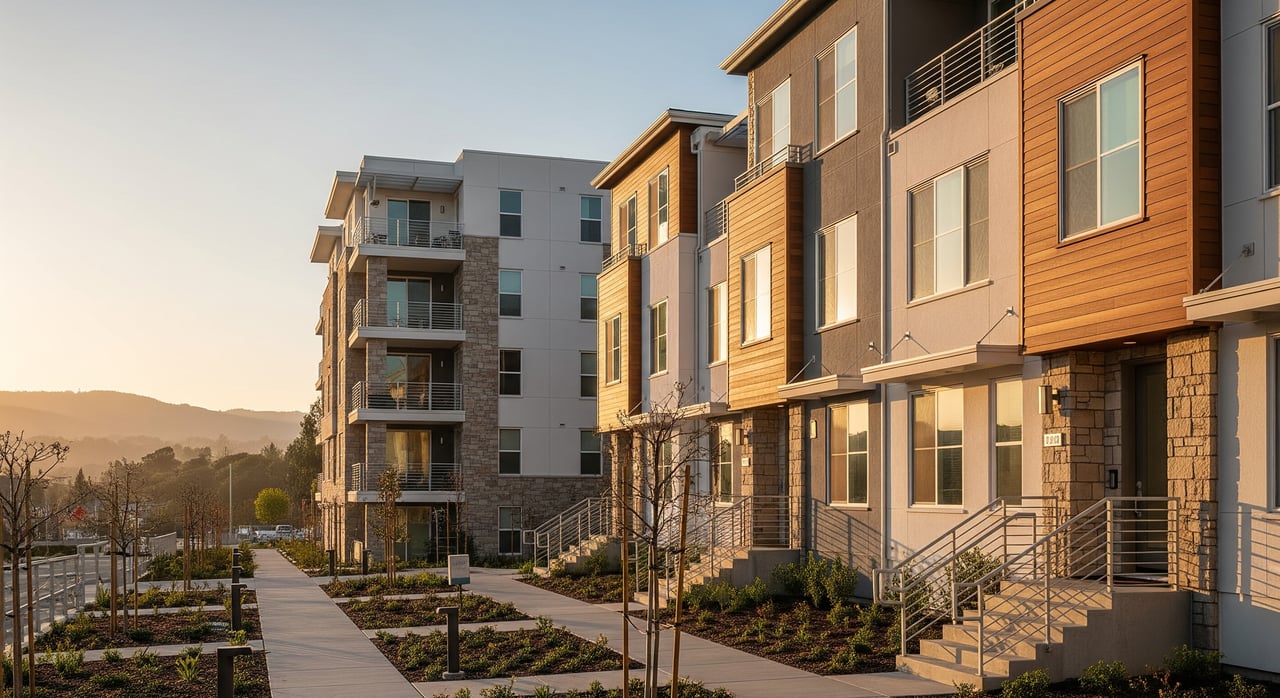
A condo typically means you own the interior of your unit. The exterior walls, roof, grounds, and shared amenities are owned by the homeowners association, or HOA. In Dublin Ranch and the Tri‑Valley, many condos are in stacked buildings with elevator access and community amenities.
Lifestyle wise, condos offer lower hands‑on maintenance, more shared amenities, and closer proximity to neighbors. This can be ideal if you value convenience, want less upkeep, or prefer to spend weekends enjoying Dublin’s parks and nearby dining instead of yard work.
What a townhome means
A townhome is an attached dwelling, often two or three stories, with a private entrance and garage. Legally, it can be structured like a condo community or as fee‑simple lots with an HOA for shared items. The legal structure drives who handles the roof, exterior, and grounds.
Townhomes tend to feel more house‑like with more space and privacy and often a small yard or patio. You may have more responsibilities for exterior upkeep, which some buyers prefer because they control the timing and quality of maintenance.
Total cost of ownership in Dublin Ranch
Upfront price and financing
In the same area, condos often start at a lower entry price than townhomes, which can reduce your initial cash requirement. Townhomes commonly command higher prices due to extra space and private amenities. Financing terms can also differ based on whether a community is a condo regime or fee‑simple townhome structure, which affects loan options and underwriting.
Monthly costs to compare
- HOA dues: Condo dues are usually higher because the HOA covers more services like exterior maintenance, roof, landscaping, and amenities. Townhome dues vary widely. If the HOA maintains the exterior, dues can be closer to condo levels. If owners handle their own exteriors, dues are often lower.
- Property taxes: Taxes are based on assessed value under county rules. Structure type does not change the tax rate.
- Insurance: Condo owners typically carry an HO‑6 policy for interior finishes and contents while the HOA’s master policy covers common elements. Townhome insurance depends on the legal structure and whether the HOA or the owner insures the exterior and roof.
- Utilities: Some condo communities include water or garbage in HOA dues. Townhome owners more often pay those utilities directly. Always check the HOA budget for what is included.
Maintenance, reserves, and assessments
- Condos: Your direct maintenance is lower, but you are exposed to HOA fee increases and potential special assessments if reserves fall short for large projects like roofs or exterior refreshes.
- Townhomes: You may pay less in HOA dues but more out of pocket for roof, paint, and landscaping. The timing is under your control, and smaller or limited HOAs can see fewer broad assessments. Your long‑term cost can be higher or lower depending on building condition and how you schedule work.
HOA structure and due diligence
Understand the HOA setup
Projects may have a single HOA or a master association with sub‑associations. A community might be a condo regime even if homes look like townhomes, which affects insurance and financing. Clarify who maintains the roof, exterior, balconies, and any shared infrastructure before you write an offer.
Key documents to request
Ask for the full HOA packet early, including:
- CC&Rs that outline rules for rentals, pets, exterior changes, noise, and parking.
- Bylaws and rules and regulations for governance.
- Budget, financial statements, and reserve study for funding and project plans.
- Recent meeting minutes for 12 to 24 months to spot upcoming projects, insurance issues, or litigation.
- Master insurance declarations to see coverage scope and deductibles.
- Litigation disclosures and special assessment history.
- Rental restrictions and investor caps if you plan to rent or want flexibility for future resale.
What to look for in the numbers
- Reserve fund strength and a current reserve study with realistic timelines for major work.
- Any pattern of fee increases and the reasons behind them.
- Planned capital projects like roof replacement, exterior painting, or seismic work.
- Insurance deductibles that could become owner costs during claims.
- Any pending or recent lawsuits, which can lead to higher dues or assessments.
California rules to keep in mind
Common interest communities are governed by the Davis‑Stirling Common Interest Development Act. You should receive required disclosures in escrow. In Alameda County cities, older multi‑unit buildings may face seismic or accessibility updates, so check HOA minutes and city notices for any retrofit plans.
Financing and insurance details
Condo project eligibility matters
If you plan to use FHA or VA financing, confirm early whether a condo project is eligible. Some projects are not approved, which can limit loan options for certain buyers and affect resale later. Fee‑simple townhomes without a condo regime are more often treated like single‑family homes by lenders and face fewer project‑level restrictions.
Insurance allocation and earthquake options
Ask for the HOA master policy and confirm whether it is bare walls‑in or all‑in. This determines what the HOA insures and what you need to cover in your HO‑6 or homeowners policy. Standard policies in California do not include earthquake coverage. You can explore separate earthquake options, especially in Alameda County, to understand potential costs and deductibles.
Inspections: what to focus on
Condo inspection focus
- Interior systems such as plumbing, HVAC, and electrical capacity.
- Signs of water intrusion, especially near windows, balconies, and exterior walls.
- Conditions in common areas like elevators, stairwells, and hallways.
- Roof and building envelope status based on HOA disclosures and reserve studies.
Townhome inspection focus
- Roof, exterior siding, paint, gutters, and flashing.
- Foundation and grading, with attention to drainage and downspouts.
- Garage door operation and driveway surfaces.
- Shared party walls and any HOA‑maintained elements.
Safety and storage for both
Check smoke and carbon monoxide detectors, egress and stair conditions, parking assignments, guest parking rules, storage areas, and any EV charging setup.
Resale dynamics in Dublin and the Tri‑Valley
Buyer pools in the East Bay
Condos often appeal to first‑time buyers, downsizers, and investors thanks to lower entry prices and lower personal maintenance. Townhomes attract those who want a house‑like layout, more space, a garage, and private outdoor areas without a full single‑family yard.
Local demand in Dublin Ranch is influenced by proximity to BART and major highways, parks and trails, and access to area schools and employers throughout the Bay Area. Strong HOA health and building condition support value for both condos and townhomes.
Pricing, appreciation, and risk
Townhomes usually command a premium over condos due to space and private amenities, though location and project quality can shift that. Projects near transit and community amenities tend to perform well, especially when reserves are strong and management is transparent. Older buildings with deferred maintenance, high insurance costs, or litigation can see longer market times and pressure on pricing.
How to choose for your lifestyle
Choose a condo if you
- Want low hands‑on maintenance and amenity access.
- Prefer a lower entry price in the same neighborhood.
- Are comfortable with HOA governance and shared decision‑making.
- Value elevator access or single‑level living options.
Choose a townhome if you
- Want more private space, a garage, and a yard or patio.
- Are willing to handle or manage exterior maintenance on your schedule.
- Prefer lower HOA dues with fewer shared services.
- Want a house‑like feel within the convenience of a planned community.
Plan your Dublin Ranch tour
Pre‑tour checklist
- Request the HOA packet early: CC&Rs, rules, budget, financials, reserve study, minutes, insurance declarations, litigation disclosures, and assessment history.
- Confirm condo project eligibility if you plan FHA or VA financing.
- Verify utility inclusions, parking assignments, storage, and any rental restrictions.
During your visit
- Test water pressure, review HVAC age, and check electrical capacity.
- Listen for noise from neighbors, street traffic, elevators, or mechanical rooms.
- Walk common areas for signs of deferred maintenance such as peeling paint, cracked sidewalks, or sagging railings.
- Evaluate rooflines, gutters, and balconies for visible wear.
- For townhomes, inspect exterior walls, drainage, garage mechanisms, and grading.
- Ask management about upcoming projects, insurance deductibles, reserve funding, rental caps, pet rules, and parking enforcement.
Work with a local advisor
Choosing between a condo and a townhome in Dublin Ranch is about more than the floor plan. It is about HOA strength, financing options, inspection findings, and how you want to live day to day. If you want hands‑on guidance with HOA due diligence, project planning, and a smart offer strategy, talk with our owner‑broker, Kent Hu. We serve East Bay and Tri‑Valley buyers with bilingual support in Mandarin and Cantonese. Connect with CCPCA Realty to plan your next move.
FAQs
What are the main cost differences between condos and townhomes in Dublin Ranch?
- Condos often have higher HOA dues but lower personal maintenance; townhomes may have lower dues but higher owner‑paid exterior costs, so compare total monthly and long‑term budgets.
How do HOAs affect resale for Dublin condos and townhomes?
- Strong reserves, clear minutes, and no litigation support buyer confidence and value; projects with funding gaps or lawsuits can face longer market times and pricing pressure.
Can I use FHA or VA financing for a Dublin condo?
- Possibly; it depends on the project’s eligibility, so verify early with your lender since some condo projects are not approved.
What should I look for in HOA documents before I buy?
- Review CC&Rs, rules, budget, financials, reserve study, recent minutes, insurance policies and deductibles, litigation disclosures, and any special assessment history.
What inspections matter most for a townhome vs a condo?
- Condos focus on interior systems, water intrusion, and common areas; townhomes add roof, exterior envelope, drainage, garage components, and any HOA‑maintained items.