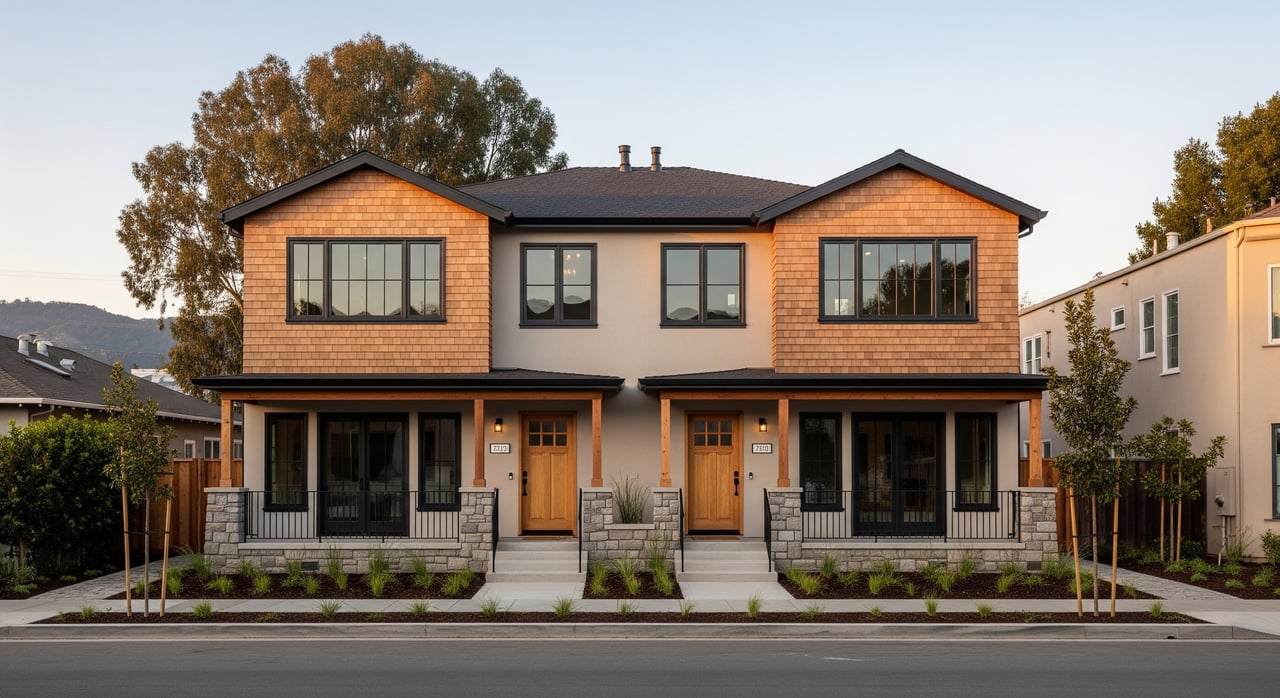
Are you weighing a duplex purchase in San Leandro but unsure how to judge the numbers? You are not alone. The East Bay offers real opportunity, yet smaller multifamily cap rates run tight and local rules add complexity. In this guide, you will get a clear, step-by-step underwriting framework tailored to San Leandro, plus renovation and transit insights to help you make confident decisions. Let’s dive in.
Why San Leandro duplexes
San Leandro sits between Oakland and Hayward in Alameda County within the Oakland–Hayward–Berkeley metro. Regional job centers, a limited housing supply, and strong transit options shape demand here. Investors often target duplexes for steady cash flow and modest value-add through upgrades, unit turns, or adding accessory units where allowed.
Bay Area prices and rents have trended above national averages for years, which is why smaller multifamily cap rates here are typically lower than many U.S. markets. That means careful underwriting matters. Your edge comes from realistic rent comps, disciplined expense assumptions, and a clear plan for renovations and exits.
How to underwrite a San Leandro duplex
Step 1: Collect property inputs
- Leases and current rent per unit, including expiration dates and deposits.
- Unit mix, square footage, parking, utility metering, and storage or laundry.
- Prior 12 months of income and expenses, plus maintenance logs and capital improvements.
- Recent duplex and small multifamily sale comps and active listings in San Leandro and nearby submarkets.
- Property tax bill and special assessments from Alameda County.
Step 2: Validate market rents
Anchor your pro forma to real comps. Pull rental data from MLS, local property manager listings, and public rental marketplaces. Adjust for beds, baths, size, finishes, parking, and proximity to BART or key amenities. Separate in-place rents from achievable market rents. If you plan renovations or you have a vacant unit, use a conservative stabilization timeline of 3 to 6 months to reach market rent.
Step 3: Project Effective Gross Income
- Gross scheduled rent = sum of market monthly rents multiplied by 12.
- Vacancy and credit loss: assume 3 to 8 percent for Bay Area duplexes. Use the lower end for strong transit proximity and recently upgraded units. Use the higher end for older units or weaker micro-locations.
- Other income: parking, laundry, pet fees, and utility reimbursements if appropriate.
- Effective Gross Income (EGI) = Gross scheduled rent minus vacancy plus other income.
Step 4: Estimate operating expenses and reserves
Set realistic operating costs by item, then check your totals against typical ranges.
- Common expenses: property taxes, insurance, owner-paid utilities, repairs and maintenance, management, landscaping, pest control, supplies, HOA if any, professional fees, advertising, and legal.
- Expense ratios to sanity-check your total:
- Owner-managed duplex: 30 to 45 percent of EGI.
- Third-party management with older building or deferred maintenance: 35 to 55 percent of EGI.
- Replacement reserves and capital expenditures: plan for 250 to 750 dollars per unit per year. Increase this if roof, plumbing, seismic, or other major systems are near replacement.
- Property taxes: California’s base rate is often about 1 percent of assessed value plus local assessments. Confirm the actual bill through Alameda County records.
Step 5: Calculate NOI, cap rate, and cash flow
- Net Operating Income (NOI) = EGI minus operating expenses minus reserves.
- Cap rate = NOI divided by purchase price. Compare to recent small multifamily sales in Alameda County for context.
- Debt service and returns:
- Cash flow before tax = NOI minus annual debt service.
- Cash-on-cash = annual pre-tax cash flow divided by total cash invested. Include down payment, closing costs, and initial rehab.
- Debt Service Coverage Ratio (DSCR): lenders commonly look for 1.20 to 1.30 on small multifamily. Model DSCR pre- and post-renovation.
Step 6: Stress-test the deal
Run downside cases on the key drivers so you know where value breaks.
- Rents: test negative rent adjustments of 5 to 15 percent.
- Vacancy: add 2 to 5 percentage points to your baseline.
- CapEx: push reserves and one-time rehab costs higher.
- Exit: test sale values at cap rates 75 to 150 basis points above your baseline. If you plan a refinance, test loan proceeds and DSCR under softer conditions.
Step 7: Track the key quick metrics
- Gross Rent Multiplier (GRM) = purchase price divided by gross scheduled annual rent.
- Cap rate = NOI divided by purchase price.
- Cash-on-cash = NOI minus debt service, divided by cash invested.
- NOI margin = NOI divided by EGI.
Renovation scope and value-add levers
Renovations can unlock rent growth and improve retention if the scope matches local demand and your underwriting.
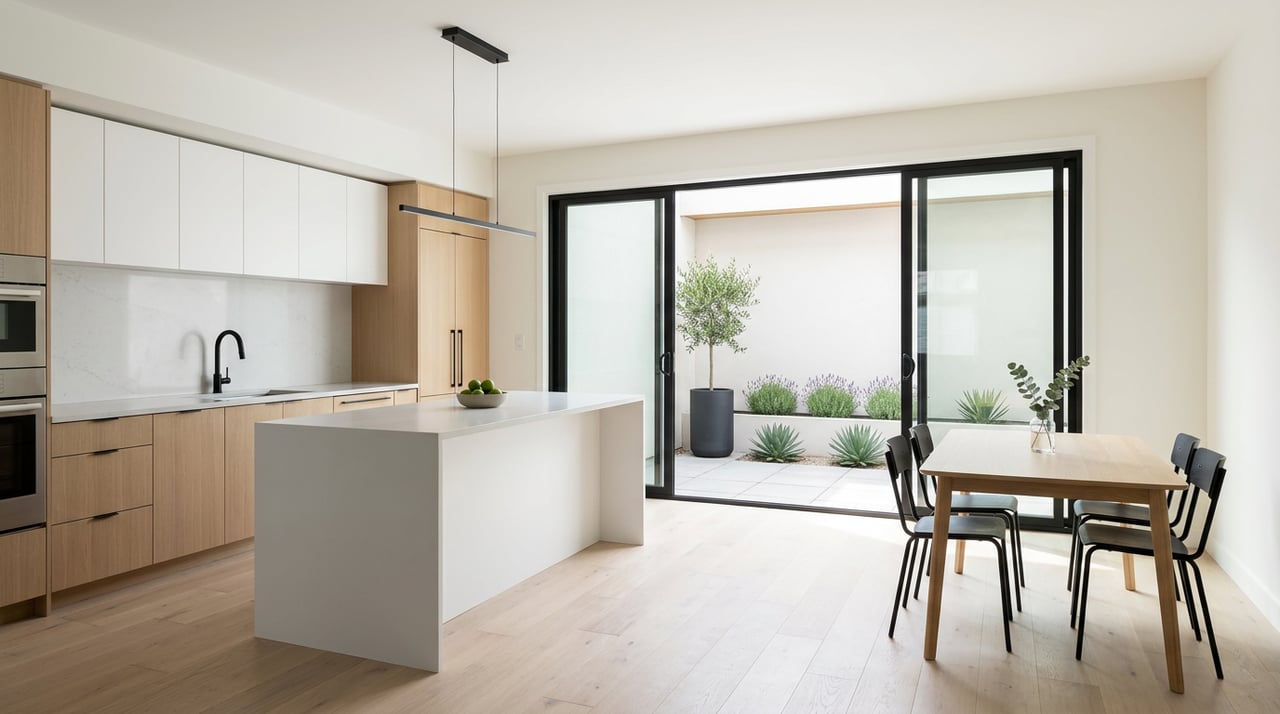
- Minor cosmetic refresh: paint, flooring, light fixtures, kitchen touch-ups. Typical range is 8,000 to 30,000 dollars per unit.
- Mid-range rehab: new kitchen, updated bath fixtures, improved flooring, limited mechanical work. Typical range is 30,000 to 75,000 dollars per unit.
- Full gut: new layout, full kitchen and bath, major systems, possible structural work. Typical range is 75,000 to 150,000 dollars or more per unit.
Common high-cost items include seismic retrofit, roof replacement, major plumbing, remediation, and utility upgrades for separate metering. Always secure multiple contractor bids and confirm permit requirements with the City of San Leandro.
Value-add tactics to consider:
- Targeted rent resets after renovations. Depending on current rent levels and demand, renovated-unit uplift often falls in the 10 to 30 percent range. Underwrite conservatively and validate with comps.
- Shift owner-paid utilities to tenant reimbursements where allowed. You can also add paid parking or laundry to boost other income.
- Explore code-compliant ADUs where site conditions and local rules permit.
- Improve management practices to reduce turnover and maintenance costs.
Always review tenant habitability and relocation rules if work affects occupied units. Budget time and costs for compliance.
Transit proximity and rent premiums
San Leandro’s BART access at San Leandro Station and Bay Fair Station is a core driver of renter demand, along with AC Transit routes. Properties within comfortable walking distance of high-frequency transit often see stronger rent stability and broader demand from commuters and car-light households.
A practical way to capture this in your underwriting:
- Segment rent comps by distance to the nearest BART station, such as within 0.25 mile, 0.25 to 0.5 mile, and 0.5 to 1.0 mile.
- Test a rent premium assumption of 5 to 15 percent for transit-walkable locations, then stress-test a lower premium to stay conservative.
- Evaluate last-mile conditions like sidewalks and lighting. Properties on safer, direct pedestrian routes generally capture stronger premiums.
Legal and financing essentials
California’s Tenant Protection Act of 2019, often referenced as AB 1482, introduced statewide rent caps and just-cause eviction protections that affect many, but not all, residential units. Duplex coverage can depend on factors such as owner occupancy and year built. Confirm how state rules and any San Leandro or Alameda County ordinances apply before you budget rent growth or plan renovations that impact tenants. Some Bay Area cities require relocation assistance when tenants are displaced for rehab.
Financing options for 2-unit properties include conventional mortgages, portfolio loans, and small-balance commercial products. Owner-occupants can explore FHA options for 2 to 4 units with historically lower down payments. For non-owner-occupied loans or value-add plans, portfolio lenders may use DSCR tests and different rate structures. Model debt service cautiously since small multifamily rates can differ from single-family investor loans.
Exit planning and risk management
Underwrite your exit when you enter. Map the likely path and timing, then model alternatives.
- Hold for cash flow: prioritize steady rent growth and long-term maintenance.
- Value-add sale: buy with below-market rents, renovate, stabilize NOI, then sell at the prevailing cap rate. Plan for a 12 to 36 month window.
- Refinance and hold: complete renovations, stabilize, then refinance to pull some equity while maintaining workable DSCR.
- Sell to an owner-occupier: sometimes captures a premium. Align with marketing that highlights the live-in-one, rent-the-other appeal within legal guidelines.
- 1031 exchange: consider tax-deferral strategies when selling to acquire a replacement property. Coordinate with a tax professional and accommodator.
Key risks to model explicitly include regulatory changes, market softening, physical and capital needs, and rate or lending shifts that affect values and buyer pools. Keep adequate reserves and maintain flexible options to protect your downside.
Local resources and next steps
Before you commit, confirm details with local, primary sources and your deal team.
- City of San Leandro Planning and Building for permits, zoning, and station-area plans.
- Alameda County Assessor and Tax Collector for property tax bills and assessments.
- BART and AC Transit for station information and service levels that influence demand.
- MLS, rental platforms, and local property managers for precise rent and sale comps.
- Market research providers for small multifamily cap-rate snapshots and regional trend context.
If you want a disciplined second set of eyes on underwriting, renovation scope, and local rent dynamics, you do not need a large brokerage to get expert advice. You need a hands-on, local team that will run the numbers with you and manage the moving parts from offer through post-close improvements. For a tailored assessment of your next duplex in San Leandro, connect with CCPCA Realty for a free consultation.
FAQs
How should a first-time investor evaluate San Leandro duplex rents?
- Start with unit-level comps adjusted for beds, baths, finishes, parking, and transit access, segment by distance to BART, and use conservative timelines to reach market rents after any renovations.
What vacancy and expense ratios work for San Leandro duplexes?
- Model vacancy at 3 to 8 percent, then test higher; benchmark total operating expenses at 30 to 45 percent of EGI for owner-managed or 35 to 55 percent with third-party management and older buildings.
How does AB 1482 affect a typical duplex deal?
- The statewide law adds rent caps and just-cause protections for many units, with exemptions that can apply to some duplexes; verify exact coverage and any local rules before projecting rent growth or planning tenant-impacting work.
What renovation budget should I plan per unit?
- Use ranges as a starting point: 8,000 to 30,000 dollars for cosmetic refresh, 30,000 to 75,000 dollars for mid-range, and 75,000 to 150,000 dollars or more for full gut, then validate with multiple local contractor bids.
How should I model a transit premium near BART?
- Group comps by distance bands such as within 0.25 mile, 0.25 to 0.5 mile, and 0.5 to 1.0 mile, test a 5 to 15 percent premium for walkable locations, and stress-test a lower premium to stay conservative.
What DSCR do lenders typically require for small multifamily?
- Many portfolio lenders look for DSCR of 1.20 to 1.30; model your deal at and below those thresholds to confirm financing durability under softer rent or higher expense scenarios.