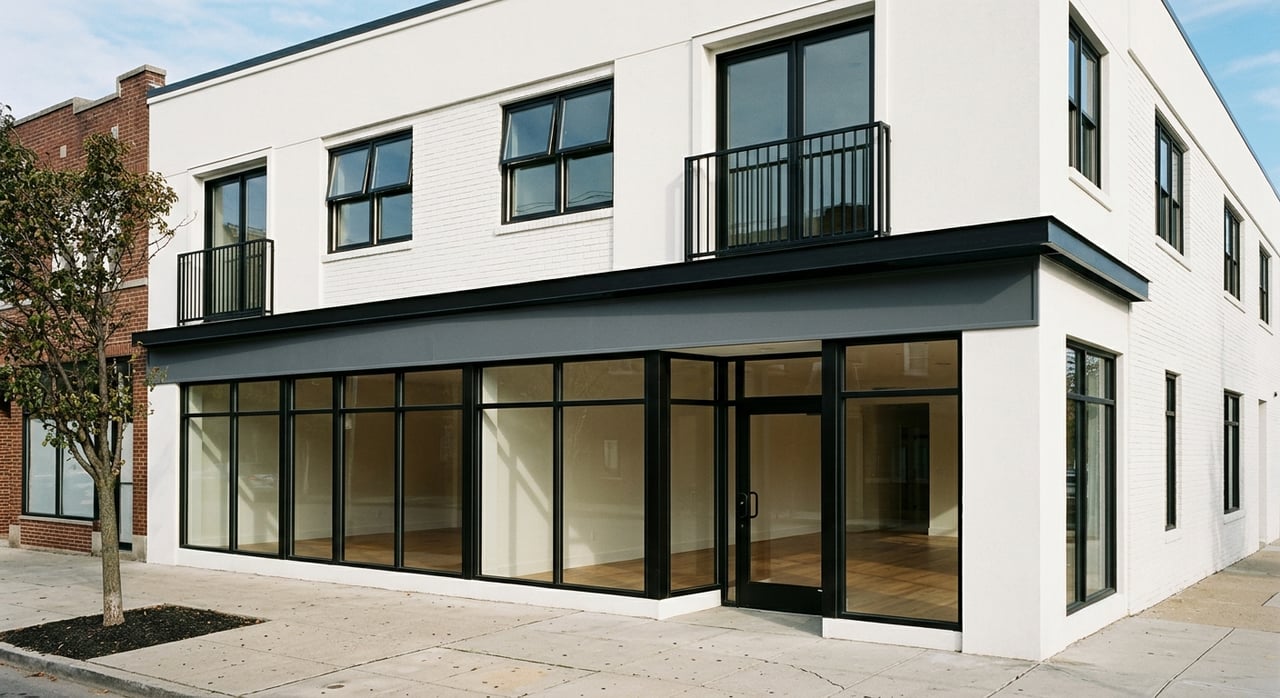
If you are looking at a small mixed-use building in Oakland or the Tri-Valley, it is easy to treat it like one simple investment. In reality, you are often buying two businesses on one parcel: apartments upstairs and commercial space downstairs. Each side has its own income drivers, risks, and value story, so your analysis needs to be more disciplined from the start. Let’s dive in.
Why mixed-use needs a split analysis
A small mixed-use building can look straightforward on paper, but the apartment and retail components rarely perform the same way. Residential income may be shaped by tenant history, local rules, and renovation limits, while the commercial bay depends more on tenant demand, lease terms, vacancy, and leasing costs.
In Oakland, this split matters even more because the city has a well-developed planning framework for mixed housing and neighborhood businesses. Oakland’s Planning Code includes mixed-use provisions, a Residential Commercial Combining Zone, and floor-area-ratio rules for mixed-use projects, while the city also uses objective design standards and ministerial review for many projects. The recently adopted Downtown Oakland Specific Plan also signals a long-term push for more density and flexibility in downtown areas.
Oakland vs. Tri-Valley opportunities
Oakland’s neighborhood-scale potential
Oakland offers more opportunities to evaluate mixed-use buildings in established urban corridors. That can create value-add potential for buyers who are comfortable underwriting both compliance and physical improvements.
The city’s zoning framework supports mixed-use in several contexts, including RM zones where neighborhood businesses may be allowed, mixed-use floor-area-ratio rules, and design standards for 1- to 8-story multifamily and mixed-use projects. You can review those rules directly in the Oakland Planning Code Title 17.
Tri-Valley’s district-driven inventory
In the Tri-Valley, mixed-use opportunities are often more concentrated in downtown or specific-plan districts rather than spread throughout the city fabric. That means location within the right district can matter just as much as the building itself.
For example, Downtown Dublin is planned as a pedestrian-oriented mixed-use center, and the city says parking requirements were removed across much of that specific-plan area. Pleasanton, San Ramon, and Livermore also rely on defined mixed-use districts and downtown frameworks, which can make entitlement and parking analysis especially important when you compare assets across cities.
Start with income, not just price
Many buyers begin by comparing sale prices per square foot. That can be helpful, but it should never be the main underwriting tool for a small mixed-use asset.
Instead, start by asking a few basic questions:
- How much of the current income comes from apartments?
- How much comes from the retail or commercial space?
- Are the residential rents truly in place, or are they projected?
- Is the commercial tenant on a stable lease, near expiration, or already vacant?
- What costs will you face to improve, lease, or reposition each part of the property?
This approach matters because Oakland and the Tri-Valley can show different rent patterns. As of March 2026, Zillow’s citywide asking-rent averages show Oakland at $2,300, compared with Dublin at $3,322, Pleasanton at $2,915, San Ramon at $3,348, and Livermore at $2,750. These are broad market screens from Zillow’s rental market trends data and should be used as directional context, not as direct comps for a specific building.
Underwrite the retail bay separately
This is one of the biggest mistakes buyers make. The ground-floor commercial space should be modeled on its own, not blended into one simplified cap-rate story.
According to Cushman & Wakefield’s Q1 2025 East Bay retail report, average asking rent in the East Bay was $28.81 per square foot NNN, with East Bay vacancy at 7.0%, Alameda County vacancy at 6.4%, and Oakland submarket vacancy at 11.4%. That higher Oakland vacancy rate supports a more conservative view of lease-up timing, downtime, and tenant-improvement costs for smaller storefronts.
When you review a retail bay, focus on:
- Current lease term and expiration date
- Rent structure, including whether it is NNN
- Tenant quality and business stability
- Vacancy risk at rollover
- Tenant-improvement reserve needs
- Leasing commission assumptions
If the residential units are full but the commercial space is weak, your projected return can look very different from the seller’s story.
Oakland compliance can change your upside
In older Oakland mixed-use buildings, the apartment side often needs extra diligence. The city states that the Rent Adjustment Ordinance applies to most multifamily properties built before January 1, 1983, and that most rental units built more than 10 years ago are subject to Just Cause protections and registration requirements.
That means the rent roll alone is not enough. You also want to review tenancy history, unit registration status, and whether projected rent increases are realistic under current rules. For many older buildings, the path to higher residential income may be slower than expected, even after upgrades.
Build a practical comp workflow
Public data is useful, but it has limits. In Alameda County, the Clerk-Recorder provides access to public records searches, recorded documents, and official copies in both Oakland and Dublin office locations.
At the same time, the Alameda County Assessor states that specific market-data sales comparables are confidential, even though the public can purchase property characteristics. In practice, that makes public records a starting point, not the entire answer.
A practical workflow often looks like this:
- Review recorded transfer history for the subject property.
- Confirm assessor roll and property characteristics.
- Verify the true in-place apartment rent roll.
- Screen nearby asking rents for apartment context.
- Analyze the retail lease separately, including below-market risk or vacancy.
- Compare any renovation or re-tenanting plan against current zoning and review standards.
This kind of process can help you avoid overpaying for projected upside that may be difficult to capture.
Check zoning before assuming value-add
A mixed-use building may have more potential than its current layout suggests, but only if the zoning and review path support your plan. In Oakland, that can mean better odds for façade upgrades, additions, or redevelopment in the right districts because the city uses objective standards and a more predictable review framework for many projects.
In the Tri-Valley, the question is often more specific: is the building inside the right downtown or mixed-use plan area, and do the parking and ground-floor use standards support your intended use? That district-level detail can have a direct effect on cost, timeline, and future value.
Use realistic expense assumptions
Expense underwriting should also reflect the split nature of the asset. The apartment side should not automatically share the same assumptions as the commercial side.
According to IREM’s National Summary, multifamily gross rents averaged $20,420.92 per unit with operating expenses of $8,419.88 per unit, or about 41% of gross rents. IREM also tracks shopping centers as a separate property type, which reinforces the idea that retail expenses and leasing risks need their own model.
A simple underwriting framework might look like this:
| Building Component | Main Focus | Key Risk |
|---|---|---|
| Apartments | In-place rent, tenancy history, compliance | Slower income growth |
| Retail bay | Lease terms, vacancy, TI and leasing costs | Downtime and re-tenanting |
| Whole property | Zoning, improvements, financing fit | Overestimating upside |
Financing depends on your use case
If you plan to occupy part of the commercial space for your own business, financing options may differ from a purely passive investment purchase. The SBA 504 program is designed for owner-occupied commercial real estate and major fixed assets, and SBA states it cannot be used for speculative or passive rental real estate.
SBA also notes that for certain real estate uses, the applicant or operating company must occupy at least 51% of the rentable property. SBA 7(a) may also be used for acquisition or renovation of owner-occupied commercial real estate, with real estate terms up to 25 years. For owner-users evaluating a small mixed-use building in a downtown Tri-Valley district, that owner-occupancy question can be a major part of the deal structure.
A smart way to compare Oakland and Tri-Valley deals
If you are choosing between an Oakland mixed-use building and a Tri-Valley option, keep the comparison simple and disciplined.
Oakland often rewards buyers who are strong on compliance review, rent analysis, and neighborhood-scale reinvestment. Tri-Valley properties may lean more heavily on district-specific zoning, parking rules, and owner-user fit. Neither market is automatically better, but each asks different questions during underwriting.
The best deals usually come from being realistic, not optimistic. When you separate the apartment story from the retail story, verify compliance early, and match the financing to your actual use, you put yourself in a much stronger position to buy well.
If you are evaluating a small mixed-use property in Oakland, Dublin, Pleasanton, San Ramon, or Livermore, working with a broker who understands both residential and commercial analysis can save you time and help you avoid expensive assumptions. To talk through a potential acquisition, renovation angle, or owner-user strategy, connect with CCPCA Realty.
FAQs
What should you review first when evaluating a small mixed-use building in Oakland?
- Start with the in-place apartment rent roll, the commercial lease status, and the property’s recorded transfer history, then review zoning and Oakland rent compliance issues.
How is underwriting a mixed-use property in Oakland different from underwriting one in the Tri-Valley?
- Oakland often requires closer attention to rent compliance and neighborhood-corridor reinvestment potential, while Tri-Valley analysis is often more tied to downtown districts, parking rules, and owner-user fit.
Why should you model the retail space separately in a mixed-use building?
- The commercial bay usually has different rent levels, vacancy risk, lease terms, tenant-improvement costs, and leasing commissions than the apartment units.
What public records can help with mixed-use property research in Alameda County?
- Alameda County public records can help you review recorded documents, transfer history, and property characteristics through the Clerk-Recorder and related county offices.
How do Oakland rent rules affect mixed-use apartment units?
- For many older multifamily properties, Oakland rules on rent adjustment, Just Cause protections, and registration requirements can limit how quickly residential income can be increased.
When could SBA financing be relevant for a mixed-use property purchase?
- SBA financing may be relevant when you plan to occupy a qualifying portion of the commercial real estate for your own business rather than buying the property as passive rental real estate.